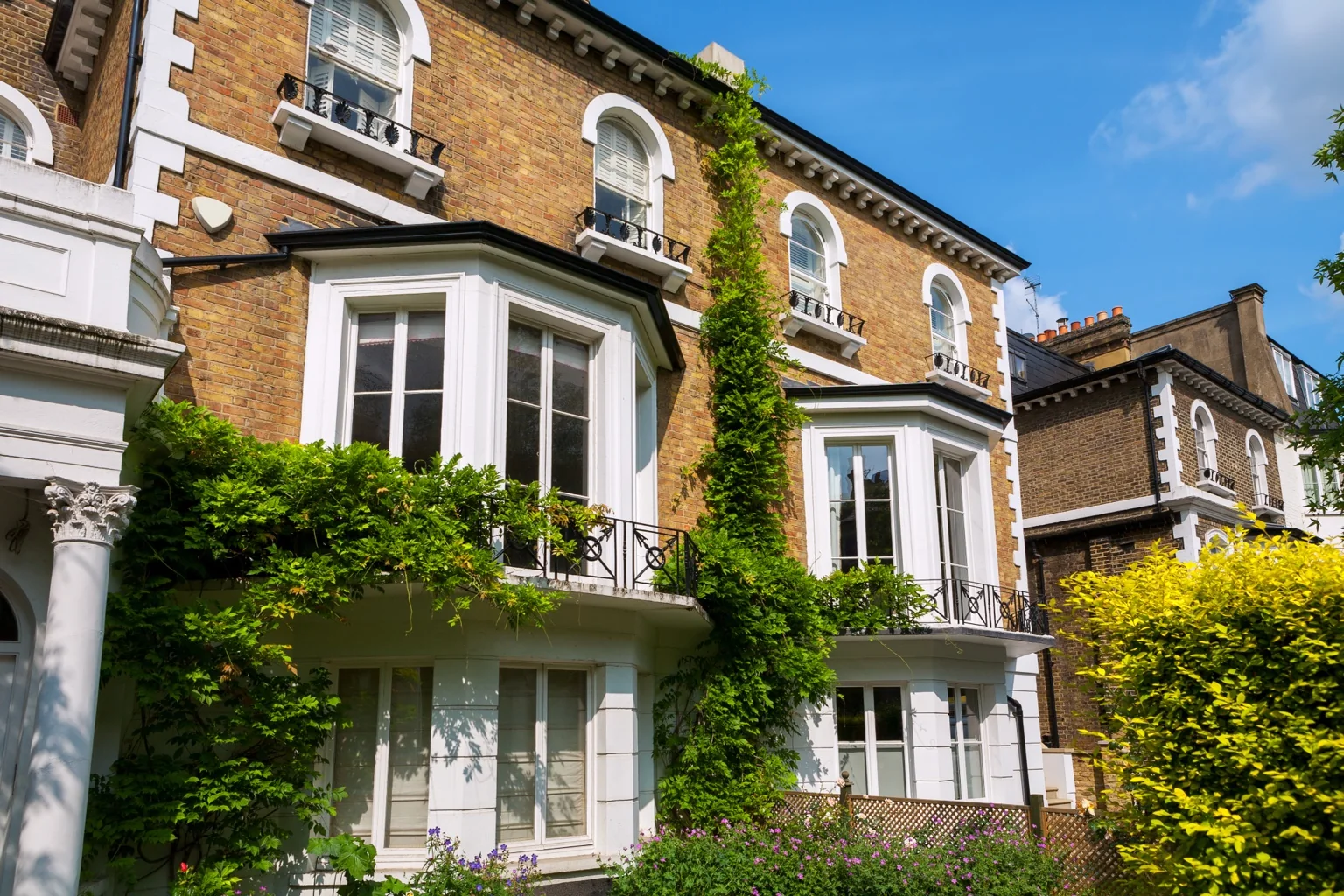
When people fall for a flat, they fall for the rooms: the light, the ceiling height, the way the bay window frames the street. Entirely reasonable. But most flats in England are leasehold, which means you are not only buying rooms. You are buying a contract, a set of neighbours, and a management arrangement, and those three things determine what the flat is actually like to own.
Here is what I would check before offering on any flat in SW19, in plain English.
The lease length
A lease is a countdown. Below roughly 80 years remaining, extending it becomes significantly more expensive under the current rules, and mortgage lenders grow steadily less enthusiastic as the number falls. Leasehold reform is working its way through the system and the regime is changing, but until the new valuation rules are fully in force, the practical advice stands: know the exact years remaining before you offer, and price a shorter lease accordingly rather than discovering it at survey.
A flat at 82 years is a different purchase from the same flat at 120, whatever the kitchen looks like.
The service charge, and the accounts behind it
Ask for the current service charge, then ask for the last two or three years of accounts. The number matters less than its behaviour: a stable charge with a healthy reserve (sinking) fund suggests a well-run building quietly saving for its future roof. A suspiciously low charge with no reserves often means the building is deferring maintenance, and deferred maintenance is not avoided cost, it is cost with interest.
Major works on the horizon
Any substantial works to the building (a roof, external decoration, a lift) can be recharged to leaseholders, sometimes in sums that make the service charge look quaint. Your solicitor should ask directly whether any major works are planned or consulted on. If the answer involves scaffolding, you want to know whether the reserve fund covers it or your savings will.
Ground rent
Most older SW19 leases carry modest ground rents, and new leases can no longer charge them at all. What you are checking for is the exception: clauses where the rent doubles on a schedule or escalates aggressively. These caused genuine misery and mortgage problems in the 2010s. Rare in period conversions here, but a ten-second question that is worth asking every time.
Taller buildings: the cladding question
For flats in blocks above certain heights, post-Grenfell fire-safety rules mean lenders may require external wall certification. Most of SW19's stock (Victorian conversions, low mansion blocks) is untouched by this. For anything taller and more modern, ask early whether the building has the relevant certification, because it decides whether the flat is mortgageable at all.
Who runs the building
Share of freehold, resident-owned management company, or external freeholder with a managing agent: each can be run well or badly. What you want is evidence of function: accounts filed, communal areas cared for, responses to problems. The state of the common hallway on your viewing is genuinely useful data. Nobody deep-cleans a communal stairwell for one viewing.
None of this should put you off flats. Some of the best homes in this postcode are leasehold, and a well-run building is a genuine pleasure to own in. The point is simply that the contract is part of the property. Read both before you fall in love, or at least before you let it show.
What to do next
If this article has raised questions about your own property, the next step is a calm conversation. I can look at the property, the market evidence and the practical choices in front of you, then give you a clear view of what I would do next.
Would a measured valuation help?
For calm, evidence-led advice about selling or letting in Wimbledon, speak directly with Brenchley’s.