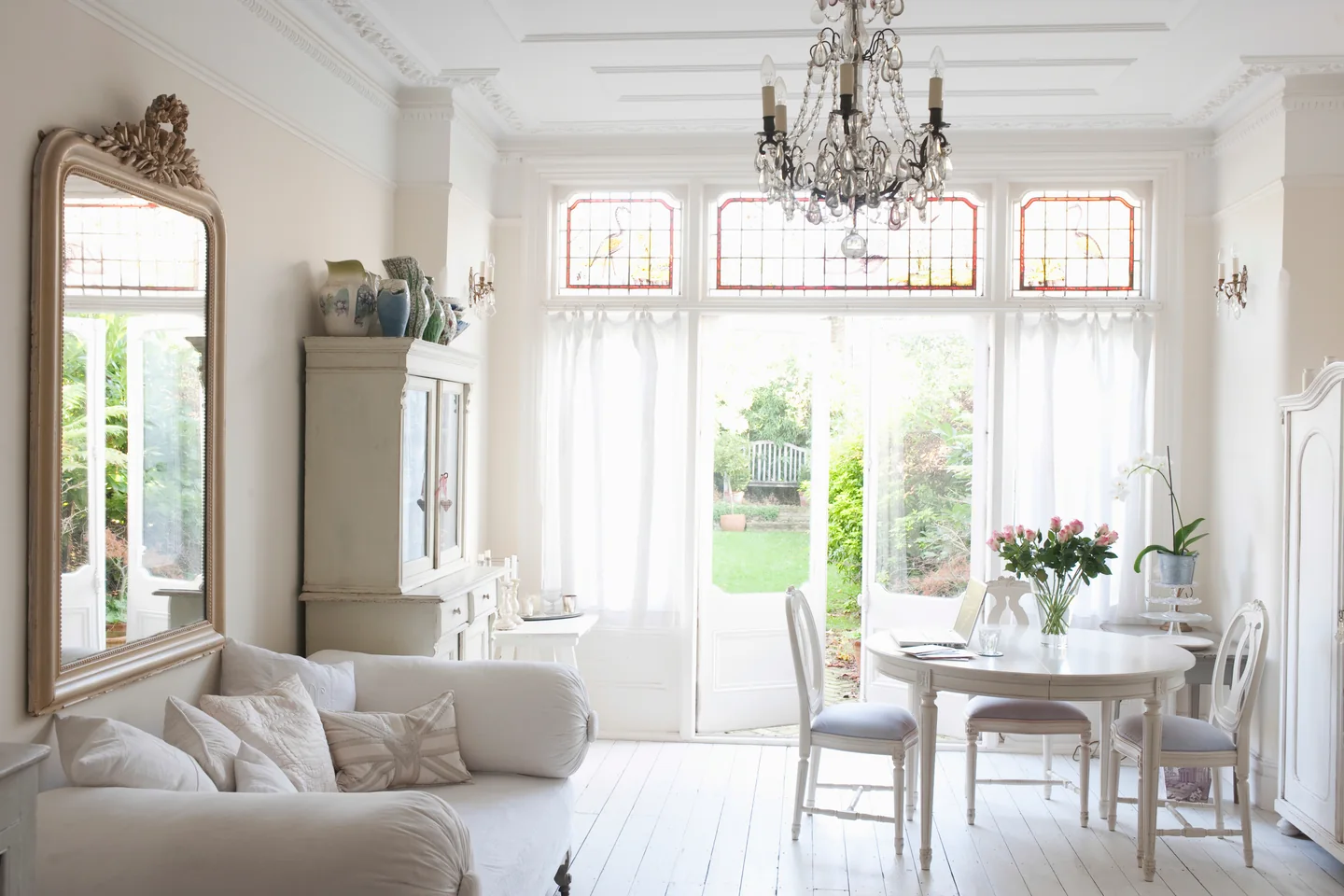
A valuation is a conversation. It is the first serious conversation about what your home could achieve on the market, and it works best when the property is allowed to speak clearly. My job during a valuation is to read the proportions, the light, the condition, the flow, and to match what I see against what the current Wimbledon market is telling me. Your job is to make sure I am seeing the property at something close to its best.
That does not mean staging it like a show home. It means removing the things that get in the way.
Let the space breathe
Clear the hallway. Open the curtains. If there is a room where you have been storing boxes since the last move, now is the time to deal with them. I am not looking for minimalism. I am looking for proportions, and I cannot read proportions through clutter.
Wimbledon homes come in all shapes. Compact period conversions in South Wimbledon where every square foot matters. Edwardian semis with generous reception rooms that somehow feel smaller than they should because the furniture is fighting the layout. Larger family houses where certain rooms have quietly become storage. In every case, the less visual noise there is, the more clearly I can assess what the property actually offers.
Natural light is one of the biggest value drivers in this market. Open every blind. Clean the windows if they need it: the difference in light transmission is more noticeable than you would think. If the weather is decent, open a window or two. A home that feels fresh reads differently from one that feels sealed.
Fix the small things
A dripping tap, a sticking door, a cracked tile. Individually, trivial. Collectively, they create an impression of neglect that I will have to factor into my advice.
Walk through the property as though you are seeing it for the first time. What catches your eye? If there are small jobs you have been putting off for months, a weekend spent addressing them before the valuation will pay for itself in how the property presents.
Pay particular attention to the front, especially if you are preparing for a sale in Wimbledon. The walk from the pavement to the front door is where every viewing (including mine) begins. A clean path, a presentable front door, tidy bins. First impressions are not a cliché. They are a measurable factor in how buyers perceive value.
The garden matters
In Wimbledon, outside space carries real weight. Whether it is a rear garden, a balcony or a modest patio, its condition affects how I assess the property, and how buyers will respond.
Mow the lawn. Clear the borders. Make it look usable. You are not trying to win a gardening award. You are trying to show a buyer that the outside space is an asset, not a liability.
A useful way to think about the garden is as another room. It does not need to look landscaped or expensive. It needs to look usable. A modest tidy, a cut lawn, swept paving and somewhere obvious to sit can change the way a buyer or valuer reads the space. It feels less like future work and more like part of the home.
Have your paperwork accessible
Title deeds or Land Registry details. Planning consents. Lease information if it is leasehold. Building regulations sign-off for any extension or loft conversion. Recent service charge statements.
I will not need all of this on the day, but having it to hand tells me you are a serious, organised seller, and it helps the conversation move more quickly from valuation to strategy.
Be honest
If there are known issues (subsidence history, a boundary dispute, restrictive covenants, anything material), raise them early. I would rather factor them into my advice from the outset than discover them three weeks into the marketing. Transparency at this stage prevents complications later and builds trust between us.
Do not spend money before getting advice
This is one of the most common mistakes I see. A seller spends £8,000 on a new bathroom before the valuation, only to learn that the bathroom was not the problem: the pricing was. Or a full redecoration in a period property that buyers would prefer to put their own stamp on.
A valuation appointment is the right place to discuss which improvements, if any, are worth making. Let the market evidence guide the investment, not instinct. That is what I am here for.
What to do next
If this article has raised questions about your own property, the next step is a calm conversation. I can look at the property, the market evidence and the practical choices in front of you, then give you a clear view of what I would do next.
Would a measured conversation help?
For evidence-led advice about selling, letting or preparing property in Wimbledon and South West London, speak directly with Brenchley’s.