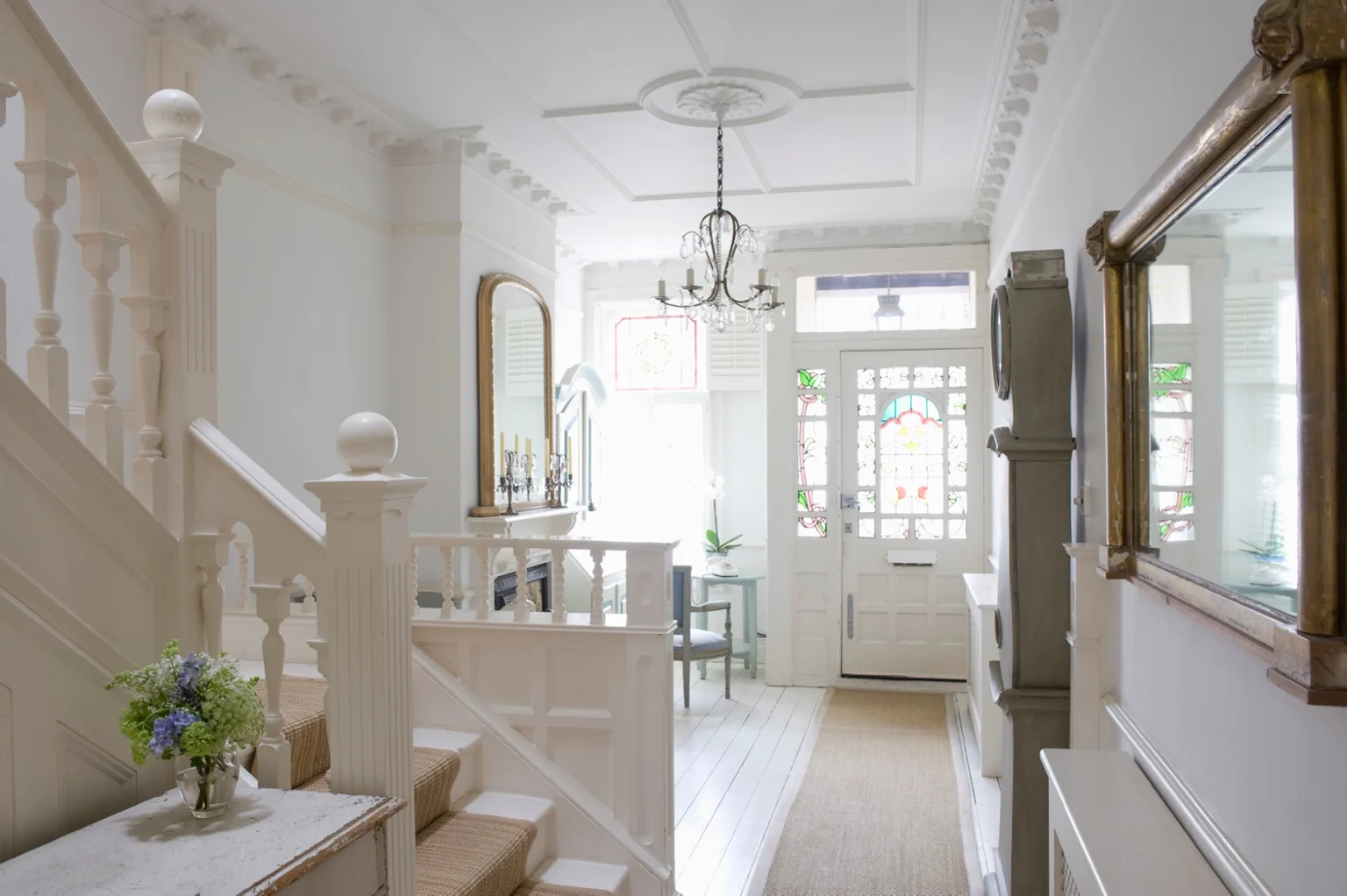
You can tell a lot about an estate agent from their photography, because it is the one part of the job that is on public display. Every corner cut is right there on the portal: the bathroom shot with the seat up, the bedroom lit like an interrogation, the wide-angle lens stretching a galley kitchen into a ballroom.
I photograph and market every home Brenchley's sells, personally, and I hold the work to a standard I would want for my own house. Here is the thinking behind it.
Light before everything
A camera cannot invent light, but it can be pointed at the right time of day. South-facing reception room: shoot in the afternoon when the sun is actually in it. East-facing kitchen: get there in the morning. This sounds obvious. It is obvious. It is also routinely ignored by anyone photographing eight properties a day on a schedule, which is precisely why an independent shooting one home at a time has an advantage that has nothing to do with equipment.
Wimbledon's period housing rewards this care more than most. Original glazing, high ceilings and bay windows do something lovely with natural light, and catching it is most of the job.
Honest angles
I do not use extreme wide-angle distortion, and this is a point of principle rather than taste. A photograph that makes a room look substantially bigger than it is does not sell the house. It books a viewing that ends the moment the buyer steps into the hallway and feels misled. You have spent their goodwill before saying hello, and every question they ask afterwards carries a note of suspicion.
Honest, well-composed photography attracts fewer viewings and better ones. The people who come have already accepted the true proportions of the house. Those are the viewings that turn into offers.
The Matterport tour
Every instruction gets a full Matterport 3D scan: not as a premium add-on, as standard. A buyer can walk the whole property from their sofa, at midnight, twice, before ever asking to visit. One scan also produces the floor plan and accurate measurements.
The effect on viewing quality is considerable. People who book a viewing after walking the tour are self-selected serious. The casually curious satisfy themselves online, which is the polite outcome for everyone, including the seller who no longer has to tidy the house for them.
Twilight, sparingly
A twilight photograph (the house glowing at dusk) is a beautiful thing on the right property and a slightly desperate one on the wrong property. It earns its place on homes with real kerb presence: a handsome facade, good glazing, a garden that reads at dusk. Used indiscriminately it becomes wallpaper. Judgement is the ingredient, as it usually is.
The point of all this
Presentation does not change what a home is. It changes how quickly the right buyer recognises it, and how confident they feel when they do. Confidence is what offers are made of.
If you would like to see how this looks in practice, the marketing page shows the full approach, and I am always happy to talk through what I would do with your particular home: which rooms lead, what time of day we shoot, and what we deliberately leave out.
What to do next
If this article has raised questions about your own property, the next step is a calm conversation. I can look at the property, the market evidence and the practical choices in front of you, then give you a clear view of what I would do next.
Would a measured valuation help?
For calm, evidence-led advice about selling or letting in Wimbledon, speak directly with Brenchley’s.